Gas vs Electric Commercial Ovens — What’s Different About Maintaining Them?
If you run a commercial kitchen, your oven is either gas or electric. Both need regular servicing, but the maintenance is different. Here’s what you need to know.
Gas Ovens
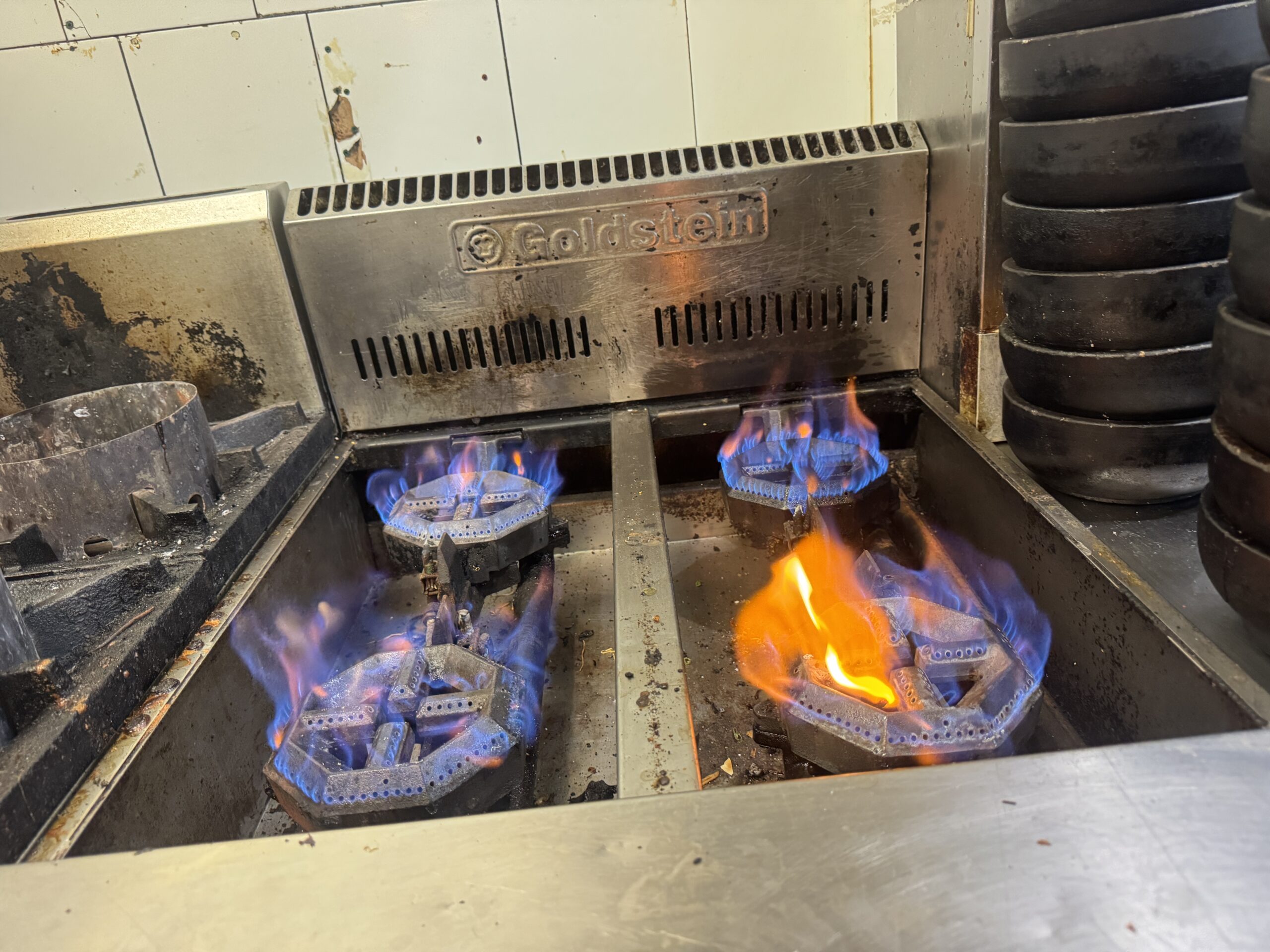
Gas ovens have burners, gas valves, thermocouples, pilot assemblies, and igniters. They need a licensed gas fitter for any repair work — it’s a legal requirement in Victoria.
Common gas oven issues:
- Pilot won’t stay lit (usually thermocouple)
- Uneven heating (burner blockage or gas pressure)
- Won’t reach temperature (thermostat or gas valve)
- Gas smell (leak — turn off immediately and call a gas fitter)
Gas ovens also need a Certificate of Compliance when gas work is carried out.
Electric Ovens
Electric ovens use heating elements, fans, thermostats, and control boards. They need a licensed electrician for repairs.
Common electric oven issues:
- Element failure (top or bottom not heating)
- Fan motor burnout
- Control board faults
- Door seal wear
Which Needs More Maintenance?
Gas ovens generally need more frequent servicing because the combustion components (burners, pilots, thermocouples) wear and get dirty faster than electric elements. Gas ovens should be inspected at least annually. Electric ovens can often go longer between services, but the repairs tend to be more expensive (control boards, elements).
What About Combi Ovens?
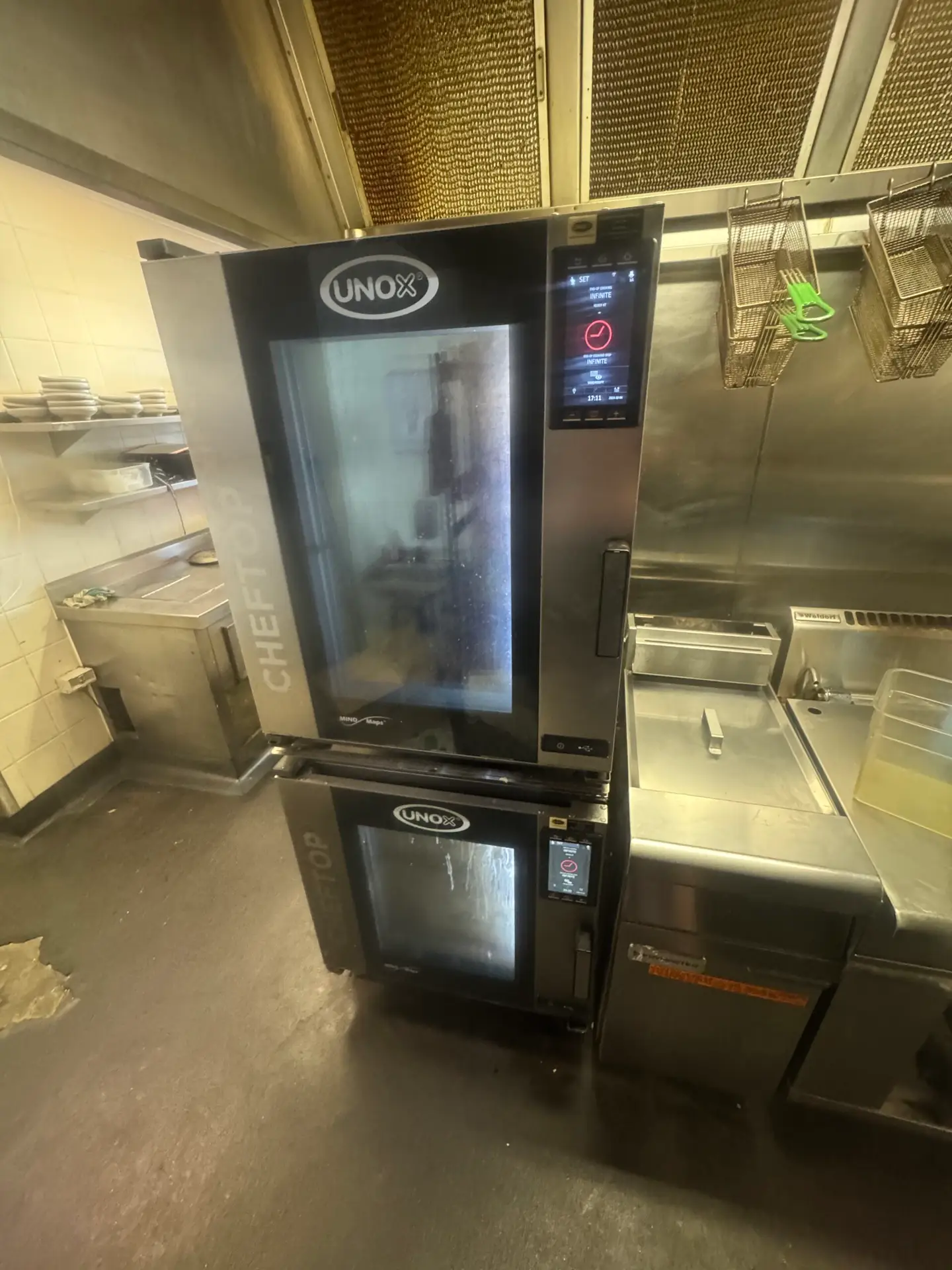
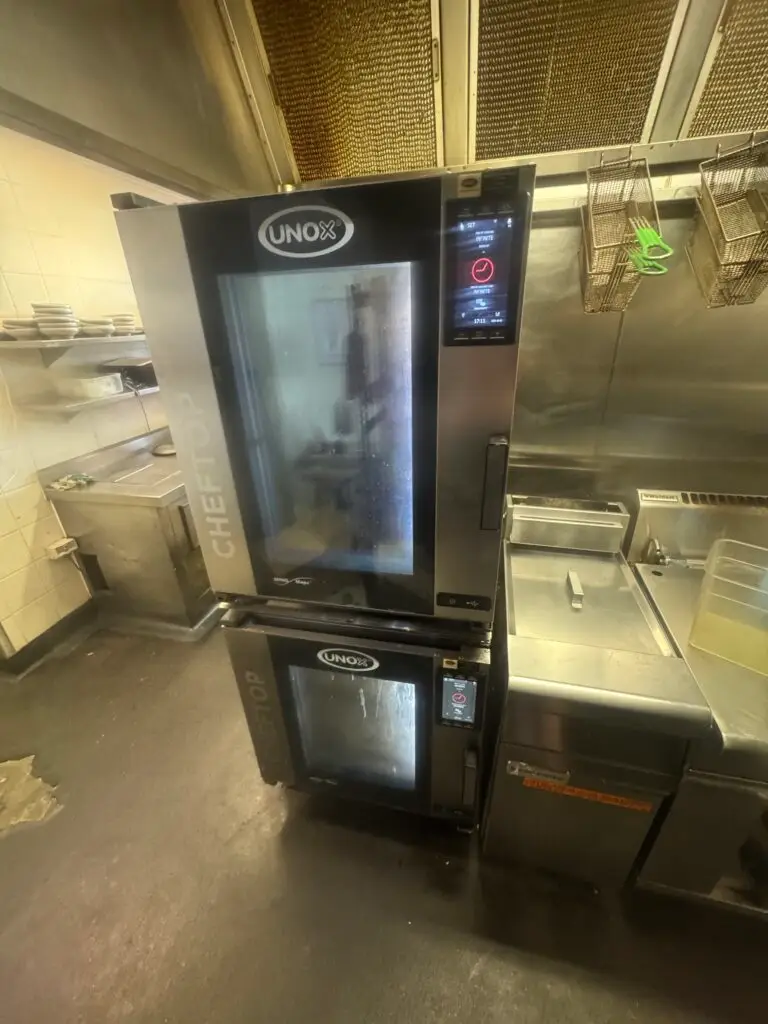
Gas combi ovens combine steam and convection. They have all the gas components plus water systems, drain pumps, and boiler elements. They’re complex and expensive to repair — regular maintenance is essential.
Need a gas oven serviced? Call 0410 016 126 or book online.